The Thrill of the Chase: A Comprehensive Guide to Hunting


The Thrill of the Chase: A Comprehensive Guide to Hunting
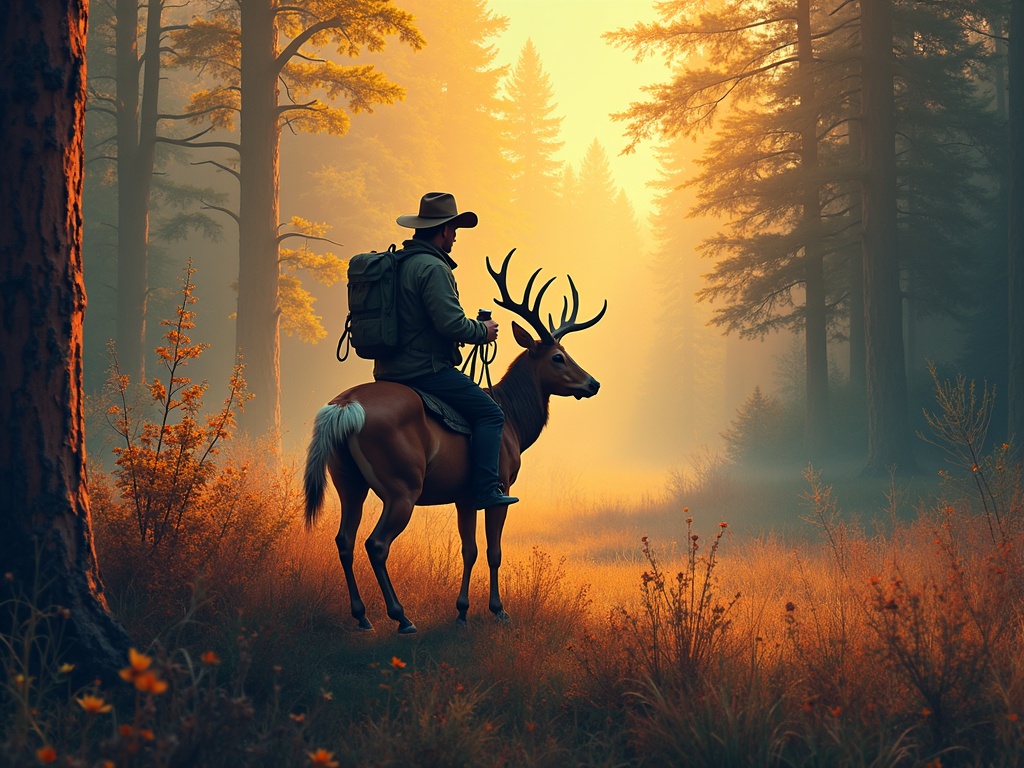
The crisp morning air bites at your cheeks, the scent of damp earth and pine needles filling your lungs. A robin sings its dawn chorus, a fragile melody against the backdrop of the awakening wilderness. With rifle or bow in hand, you stand on the precipice of an ancient pursuit: hunting. More than just a sport, it’s a primal connection to nature, a dance of skill and patience honed over millennia. But where do you begin? What makes a responsible and successful hunter in the modern age? This guide will offer an overview of the hunting discipline, from essential skills to ethical considerations.
Understanding the Allure of Hunting
Hunting, in its purest form, is the act of pursuing and taking wild animals. But the reasons people hunt are as varied as the landscapes they traverse. For some, it’s about procuring sustainable, ethically sourced meat, a direct connection to their food. Others are drawn to the challenge, the mental fortitude required to track, stalk, and ultimately, make a clean and respectful kill. Still others cherish the immersion in nature, the solitude and the heightened awareness that comes with observing the intricate details of the natural world. Hunting fosters a deeper connection to wildlife, compelling practitioners to understand animal behaviour, ecology, and conservation.
A Deeply Rooted Tradition
Hunting is woven into the fabric of human history. For centuries, it was essential for survival, providing food, clothing, and tools. This heritage is reflected in the art, folklore, and traditions of cultures worldwide. Even in the modern era, hunting plays a vital role in wildlife management, helping to control populations, reduce crop damage, and prevent the spread of disease.
Getting Started: Essential Skills and Knowledge
Before venturing into the field, aspiring hunters must acquire a solid foundation of knowledge and skills. This includes mastering firearm or archery proficiency, understanding wildlife behaviour, and learning how to safely navigate the terrain.
Firearm Safety: The Cornerstone of Responsible Hunting
Firearm safety is paramount. Never point a firearm at anything you don’t intend to shoot. Always treat every firearm as if it’s loaded. Keep your finger off the trigger until you are ready to fire. Be sure of your target and what is beyond it. Safe gun handling isn’t just a set of rules; it’s a mindset that ensures the safety of yourself, your hunting companions, and the public. Consider taking a hunter safety course. These courses, often required by law, provide comprehensive instruction on firearm safety, wildlife identification, and hunting regulations. [externalLink insert] Government websites offer detailed information about gun control and related regulations.
Mastering the Tools of the Trade
Whether you choose a rifle, shotgun, or bow, proficiency with your chosen weapon is essential. Regular practice at a shooting range or archery club will help you develop accuracy, consistency, and confidence. Understand the ballistics of your ammunition or arrow, and learn how to adjust your sights for different distances.
Wildlife Identification and Behaviour
Correctly identifying the species you’re hunting is crucial, not only for legal reasons but also for ethical considerations. Learn the distinguishing characteristics of different species, their typical behaviours, and their habitat preferences. Understanding animal behaviour is also vital for successful hunting. Learn to recognise tracks, droppings, and other signs that indicate the presence of your quarry.
Navigating the Terrain
Being able to navigate effectively is critical for safety and success. Learn to use a map and compass, or a GPS device, to find your way in unfamiliar terrain. Understand how to read topographic maps, and be aware of potential hazards such as steep slopes, rivers, and dense vegetation.
Ethical Hunting Practices: Respect for Wildlife and the Land
Ethical hunting is about more than just following the law. It’s about respecting the animal you’re hunting, the land you’re hunting on, and the non-hunting public. It’s about making responsible decisions that minimise your impact on the environment and ensure the long-term sustainability of wildlife populations.
Fair Chase and Respectful Harvest
Fair chase means giving the animal a reasonable chance to escape. Avoid using unfair tactics, such as hunting from vehicles or using electronic calls where prohibited. When you do harvest an animal, do so respectfully. Make a clean kill, and dispatch the animal quickly and humanely.
Leave No Trace
Minimise your impact on the environment by packing out everything you pack in. Avoid disturbing vegetation or wildlife unnecessarily. Respect private property, and always obtain permission before hunting on private land.
Respect for Non-Hunters
Remember that not everyone shares your passion for hunting. Be considerate of non-hunters, and avoid actions that could damage hunting’s image, such as displaying harvested animals in public places or behaving irresponsibly.
The Hunting Experience: Patience, Observation, and Reward
Hunting is a game of patience. It can involve long days of waiting and observing, often without seeing your target animal. But the reward comes not just from the harvest but also from the experience of being immersed in nature, connecting with the land, and honing your skills.
Embrace the Silence
One of the greatest joys of hunting is the opportunity to escape the noise and distractions of modern life and immerse yourself in the silence of the wilderness. Use this time to observe the details of the natural world, to listen to the sounds of the forest, and to connect with your surroundings.
The Thrill of the Stalk
The essence of hunting lies in the stalk, the deliberate and skillful approach to your quarry. This requires patience, stealth, and a deep understanding of animal behaviour. Learning to move silently through the woods, to read the wind, and to anticipate the animal’s movements are all essential skills for the successful stalk.
The Harvest: A Moment of Reflection
When the moment comes to take a shot, do so with respect and precision. Ensure a clean kill, and dispatch the animal quickly and humanely. After the harvest, take a moment to reflect on the animal’s life and the role it plays in the ecosystem. Remember that you are now responsible for utilising the animal respectfully, whether it’s for food, clothing, or other purposes.
Conservation: Hunting’s Vital Role
Contrary to some perceptions, hunting plays a vital role in wildlife conservation. Hunting licence fees and excise taxes on hunting equipment generate significant funding for wildlife management programs. Hunters often work alongside wildlife agencies to improve habitat, conduct research, and control invasive species. By participating in hunting, you are contributing to the long-term health and sustainability of wildlife populations. [external_link]
The Future of Hunting: A Shared Responsibility
The future of hunting depends on the actions of today’s hunters. By embracing ethical practices, supporting conservation efforts, and educating others about the benefits of hunting, we can ensure that this tradition remains a viable part of our culture for generations to come. Ultimately, being a hunter is about more than just taking an animal. It is about embracing a deep connection to nature, respecting wildlife, and taking responsibility for the long-term health of our planet.
Related Posts
-
DFS: Decoding Dynamic Fitness Strategies for Optimal Results
-
The Symbiotic Future: How AI and IoT are Revolutionizing Our World
-
The Symbiotic Future: How AI and IoT are Revolutionizing Our World
-
How AI is Revolutionizing the Mac Experience
-
How AI is Revolutionizing the Mac Experience
-
Just STUCK! When Misery Loves Company…
Comments are closed.