Hit the Slopes: A Comprehensive Guide to Skiing


Hit the Slopes: A Comprehensive Guide to Skiing
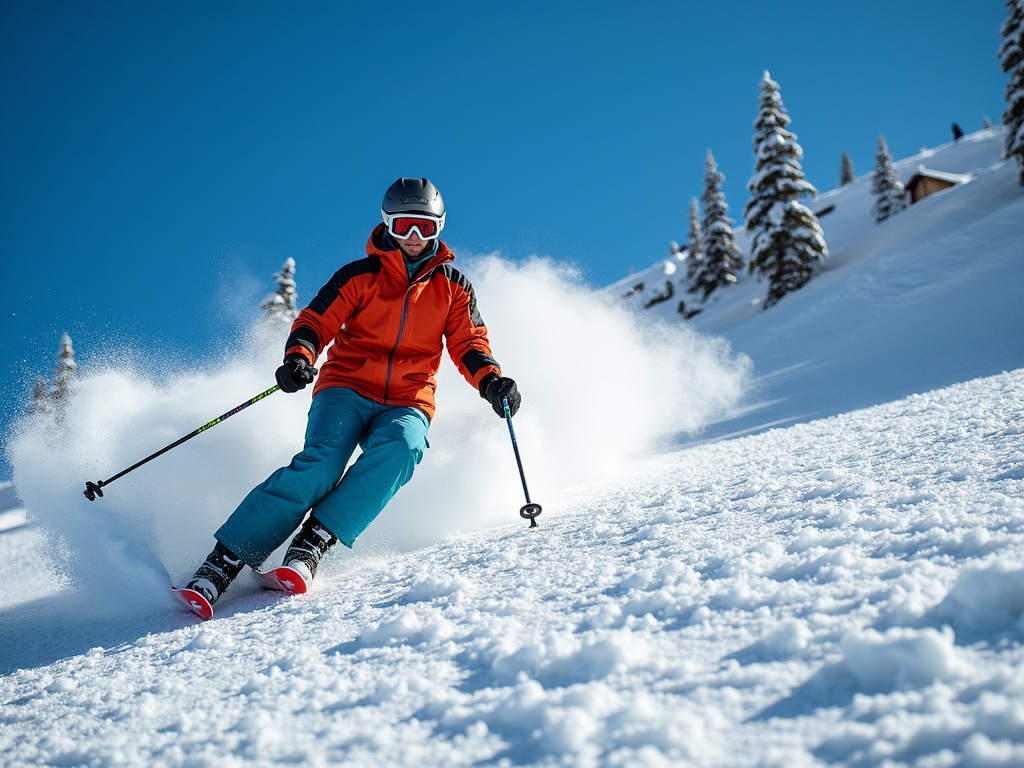
The crisp mountain air bites at your cheeks, the sun glints off a pristine blanket of snow, and the only sound is the rhythmic swoosh of your skis carving through the powder. Skiing – it’s more than just a sport; it’s an experience, a thrill, an escape. Whether you’re a seasoned pro or a complete beginner, the allure of the slopes is undeniable. But where do you start? What equipment do you need? And how can you make the most of your time on the mountain? This guide is your one-stop shop for all things skiing, ensuring you’re ready to embrace the winter wonderland with confidence.
Getting Started: Your First Steps on the Snow
So, you’re eager to try skiing? Excellent choice! The first step is understanding the basics. This isn’t just about strapping on some skis and hoping for the best. A little preparation goes a long way in ensuring a safe and enjoyable introduction to the sport.
First things first, consider a lesson. Many ski resorts offer beginner packages that include equipment rental and instruction from qualified professionals. These lessons will teach you fundamental techniques, such as how to stand, glide, turn, and, most importantly, stop safely. Learning from an instructor will build a solid foundation and help you avoid developing bad habits that can be difficult to break later on.
Choosing the Right Gear: From Skis to Snow Boots
Having the right gear is crucial not only for performance but also for safety and comfort. Here’s a breakdown of the essential kit:
**Skis:For beginners, shorter skis are generally recommended as they are easier to control and turn. As you progress, you can move to longer skis for increased stability at higher speeds.
**Boots:Ski boots are arguably the most important piece of equipment. They should fit snugly but not so tightly that they restrict circulation. Ill-fitting boots can lead to discomfort and even injury. Rental shops can help you find the right size and fit.
**Bindings:These connect your boots to the skis and are designed to release in the event of a fall, preventing leg injuries. Make sure your bindings are properly adjusted by a qualified technician.
**Poles:Ski poles are used for balance and propulsion. The correct length is typically determined by holding the pole upside down with your elbow at a 90-degree angle.
**Clothing:Dress in layers to regulate your body temperature. A waterproof and breathable outer layer is essential to protect you from the elements. Don’t forget warm socks, gloves or mittens, and a hat.
**Helmet:A helmet is non-negotiable. It’s the most important piece of safety equipment and can significantly reduce the risk of head injuries.
**Goggles:Goggles protect your eyes from the sun, wind, and snow. Choose goggles with UV protection and anti-fog coating for optimal visibility.
Consider renting equipment for your first few sessions. This allows you to try different types of skis and boots before investing in your own gear.
Techniques to Master: Carving Your Way Down the Mountain
Once you’ve got the basics down, it’s time to focus on developing your technique. Skiing involves a range of skills, from simple gliding to advanced carving.
**The Wedge (Snowplough):This is the fundamental technique for beginners. By pointing the tips of your skis inwards, you create a wedge shape that slows you down and allows you to control your direction.
**Parallel Turns:As you progress, you’ll want to learn to make parallel turns, where your skis remain parallel to each other throughout the turn. This technique allows for greater control and efficiency.
**Carving:Carving involves using the edges of your skis to create smooth, controlled turns. This technique requires precise weight distribution and edge control.
**Using Your Edges:The key to effective skiing is using the edges of your skis to grip the snow. By tilting your skis onto their edges, you can control your speed and direction.
Practice makes perfect, so don’t be afraid to experiment and try new things. Consider taking intermediate and advanced lessons to further refine your technique.
Choosing the Right Resort: Finding Your Perfect Mountain
With countless ski resorts around the world, choosing the right one can feel overwhelming. Consider these factors when making your decision:
**Skill Level:Some resorts are better suited for beginners, while others cater to more advanced skiers. Look for resorts with a good mix of terrain, including gentle slopes for learning and more challenging runs for experienced skiers.
**Snow Conditions:Check the snow reports before you go to ensure there’s adequate snow cover. Some resorts are known for their consistent snowfall, while others rely on snowmaking. Resources like Snow-Forecast [externalLink insert] are really useful.
**Amenities:Consider the amenities offered at the resort, such as ski schools, restaurants, shops, and childcare facilities.
**Price:Skiing can be an expensive sport, so factor in the cost of lift tickets, accommodation, and equipment rental when choosing a resort.
**Location:Think about how easy it is to get to the resort. Are there convenient flights or train connections?
Popular ski destinations include the Alps (France, Switzerland, Austria, Italy), the Rocky Mountains (USA, Canada), and Japan. Research online and read reviews to find a resort that suits your needs and preferences.
Staying Safe on the Slopes: Avoiding Hazards and Injuries
Skiing can be a thrilling experience, but it’s important to prioritize safety. Here are some tips for staying safe on the slopes:
**Warm Up:Before hitting the slopes, take some time to warm up your muscles with light stretching or exercises.
**Know Your Limits:Don’t attempt runs that are beyond your skill level. Start with easier runs and gradually progress to more challenging terrain as your confidence and abilities improve.
**Be Aware of Your Surroundings:Pay attention to other skiers and snowboarders on the slopes. Avoid skiing too close to others and be mindful of blind spots.
**Control Your Speed:Ski at a speed that you can comfortably control. Excessive speed can lead to accidents and injuries.
**Follow the Skier’s Responsibility Code:This code outlines the rules of the road on the slopes, including yielding to skiers downhill and avoiding collisions.
**Take Breaks:Skiing can be physically demanding, so take regular breaks to rest and rehydrate.
**Be Prepared for Changing Conditions:Weather conditions can change rapidly in the mountains. Be prepared for sudden changes in temperature, visibility, and snow conditions.
**Sun Protection:The sun’s rays are much stronger at high altitudes. Wear sunscreen, lip balm, and sunglasses or goggles to protect your skin and eyes.
**Stay Hydrated:Drink plenty of water throughout the day to avoid dehydration.
Advanced Skiing: Taking Your Skills to the Next Level
Once you’ve mastered the basics and are comfortable on intermediate runs, you might be ready to explore more advanced skiing techniques and terrain.
**Moguls:Moguls are bumps on the slopes that present a challenging and exhilarating skiing experience. To ski moguls effectively, you need to develop quick reflexes, precise edge control, and good balance.
**Off-Piste Skiing (Backcountry):Off-piste skiing involves venturing beyond the groomed runs and exploring unmarked terrain. This type of skiing requires advanced skills, experience, and a good understanding of avalanche safety. It’s essential to ski with a guide or experienced backcountry companion and carry avalanche safety equipment, such as a transceiver, shovel, and probe. Make sure you’re familiar with avalanche safety training and have checked local avalanche warnings such as those published by the Mountain Weather Information Service [externalLink insert].
**Freestyle Skiing:Freestyle skiing involves performing tricks and stunts in terrain parks, which feature jumps, rails, and other obstacles. This type of skiing requires a high level of skill, coordination, and risk assessment.
**Telemark Skiing:Telemark skiing is a style of skiing that combines elements of both alpine and Nordic skiing. It involves using a special type of binding that allows the heel to lift off the ski, enabling skiers to perform a distinctive kneeling turn.
Beyond the Slopes: Après-Ski and Other Activities
The fun doesn’t have to end when you take off your skis. Many ski resorts offer a wide range of après-ski activities, such as:
**Restaurants and Bars:Enjoy a warm meal and a refreshing drink at one of the resort’s many restaurants and bars.
**Spas and Wellness Centres:Relax and rejuvenate your muscles with a massage or spa treatment.
**Shopping:Browse the shops for souvenirs, ski gear, and other items.
**Ice Skating:Enjoy a leisurely skate on an outdoor ice rink.
**Snowshoeing:Explore the winter wonderland on snowshoes.
**Sledging/Tobogganing:Enjoy a thrilling ride down a snow-covered hill on a sledge or toboggan.
Whether you’re a seasoned skier or a complete beginner, there’s something for everyone on the slopes. So, grab your gear, hit the mountain, and experience the unforgettable thrill of skiing!
Related Posts
-
What’s Best to Buy? Motorhome or Fifth Wheel or Travel Trailer?
-
DFS: Decoding Dynamic Fitness Strategies for Optimal Results
-
How to Back Up Your RV Like a Pro
-

9 Best Driving and Traveling Smartphone Apps
-
The Symbiotic Future: How AI and IoT are Revolutionizing Our World
-
How AI is Revolutionizing the Mac Experience
Comments are closed.